
Key takeaways
- Hyaluronic acid holds up to 1,000 times its weight in water and works best applied to damp skin immediately after cleansing, before your moisturizer.
- Budget serums like The Ordinary ($5–7) and Neutrogena Hydro Boost ($7–10) deliver results comparable to expensive formulas; molecular weight and consistent application matter more than price.
- Postpartum skin loses hydration due to hormonal shifts, making hyaluronic acid especially valuable as a lightweight, fast-absorbing hydrator that works under makeup.
- Apply hyaluronic acid twice daily to damp skin, wait 60 seconds, then seal with a moisturizer; using it on completely dry skin or skipping the moisturizer layer reduces effectiveness.
What Hyaluronic Acid Actually Does
Hyaluronic acid is a molecule that occurs naturally in your skin, joints, and connective tissue. It acts as a humectant, meaning it draws water from the air and deeper skin layers and binds it to your skin cells—one molecule can hold up to 1,000 times its weight in water. Unlike oils or butters that sit on your skin’s surface, hyaluronic acid works inside the skin to plump cells and improve elasticity. It does not add moisture; it traps and holds moisture that is already present.
Your skin naturally contains hyaluronic acid, but production declines with age, sun damage, and hormonal changes. Topical hyaluronic acid supplements what your skin is no longer making in sufficient quantities. When applied correctly, it can improve skin texture, reduce the appearance of fine lines, and restore a plump, dewy finish within minutes of application.
Why Busy Mothers Need Hyaluronic Acid
Motherhood, especially the postpartum period, accelerates skin dehydration. Hormonal shifts after birth cause the skin barrier to weaken, meaning water evaporates faster. Sleep deprivation and stress further reduce your skin’s ability to retain moisture. Add rushed routines—washing your face in 30 seconds before collapsing into bed—and your skin becomes increasingly depleted.
Postpartum Skin Changes and Hydration Loss
Postpartum skin often appears dull, tight, or flaky because estrogen and progesterone drop sharply after birth, reducing sebum production and skin thickness. Your complexion may feel uncomfortable and look shadowed even when you have slept. Hyaluronic acid directly addresses this loss by flooding the skin with hydration without the weight of a heavy cream, which many postpartum mothers find suffocating during the overheating that often accompanies hormonal adjustment.
Speed and Simplicity in Five-Minute Routines
A hyaluronic acid serum absorbs in under 60 seconds, making it ideal for mothers with no time. You apply it to damp skin, let it dry, and move on. There is no rubbing, waiting, or layering complexity. Compared to sheet masks or intensive treatments that demand 15–20 minutes, a serum becomes part of your routine without adding friction.
Works Under Makeup and Other Products
Hyaluronic acid acts as a primer beneath foundation or moisturizer. It does not pill, separate, or interfere with makeup application. Many dermatologists recommend applying it before any heavier product because it ensures even hydration before anything else sits on top. This makes it a workhorse ingredient that does not disrupt your existing products.
Molecular Weight: Why Size Matters
Not all hyaluronic acid in bottles is the same. The size of the molecule determines how deep it penetrates. High-molecular-weight hyaluronic acid (1–2 million daltons) is too large to enter the skin and sits on the surface, creating a moisturizing film. Low-molecular-weight hyaluronic acid (5,000–50,000 daltons) is small enough to penetrate the epidermis and hydrate from within. The best serums use a blend of both: low-molecular-weight delivers hydration into the skin, high-molecular-weight seals it in.
Check the ingredient list on products you buy. If hyaluronic acid appears in the first five ingredients and the product costs under $10, it is likely a surface-level hydrator. That does not make it bad—it works—but understand its limitation. Professional-grade serums from brands like La Roche-Posay and Skinceuticals often specify molecular weight on the label or in their ingredient breakdown.
Products That Deliver Results Without Breaking Your Budget
Under $15: Maximum Value for Busy Routines
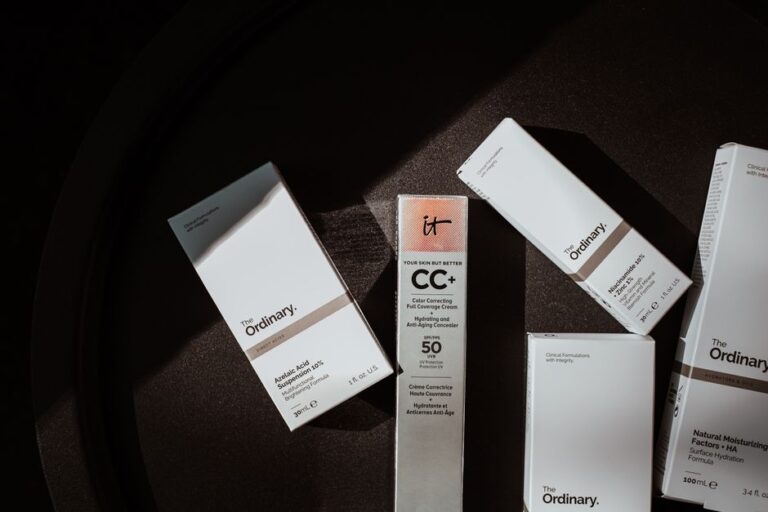
The Ordinary Hyaluronic Acid 2% + B5 costs $5–7 and contains a high concentration of hyaluronic acid paired with vitamin B5, which strengthens the skin barrier. The formula is lightweight and absorbs quickly, making it popular with dermatologists for routine recommendation. Neutrogena Hydro Boost Hydrating Serum ($7–10) includes hyaluronic acid plus glycerin, another humectant, and comes in a pump bottle that prevents contamination. Both work best applied to damp skin immediately after cleansing.
CeraVe Hydrating Facial Cleanser ($8–12) is not a serum but a gentle cleanser with hyaluronic acid that does not strip your skin, leaving it prepped for a serum layer. Vanicream Hyaluronic Acid Serum ($15–20) is fragrance-free and formulated for sensitive skin, useful if you are irritated postpartum.
Mid-Range ($15–$50): Dermatologist-Recommended
Olay Regenerist Micro-Sculpting Cream ($20–30) combines hyaluronic acid with peptides and niacinamide in a lightweight texture that absorbs like a serum but feels more substantial than pure liquid formulas. Paula’s Choice RESIST Hydrating Serum with Hyaluronic Acid ($42) includes additional antioxidants and does not contain fragrance or common irritants, appealing to sensitive postpartum skin.
La Roche-Posay Hyalu B5 Serum ($40–60) is formulated for mature or dehydrated skin and combines hyaluronic acid with vitamin B5. It is available at most US drugstores and Ulta locations. Hada Labo Lotion Premium ($8–12 online) is a Japanese formula that uses three types of hyaluronic acid and has a cult following among dermatology professionals for effectiveness at an extremely low price point.
Professional-Grade ($50+): When You Are Ready to Invest
Skinceuticals H.A. Intensifier ($98) uses a proprietary blend of hyaluronic acid with additional hydrating compounds and is recommended by dermatologists for severely dehydrated or aging skin. SkinMedica Intense Lightening Cleanser ($48) contains hyaluronic acid and is often paired with their HA5 Hydrating Serum ($128) as a complete hydration system. These products cost more but last longer because you use less per application.
How to Apply Hyaluronic Acid Correctly
The application order matters. After cleansing, pat your face with a towel but leave it slightly damp—this is critical. Hyaluronic acid works best on damp skin because it pulls water from both the environment and deeper skin layers. If you apply it to completely dry skin, it can actually draw water from inside the skin and leave it feeling tight. Apply a few drops to your fingertips, press (do not rub) into your forehead, cheeks, nose, and chin, and let it absorb for one minute. Then apply your moisturizer to seal everything in. On very dry postpartum skin, apply the serum, wait 60 seconds, apply a lightweight moisturizer like CeraVe Facial Moisturizing Lotion ($15–18), and finish with a sunscreen during the day.
Use hyaluronic acid twice daily—morning and night—but do not layer more than one hyaluronic acid product at a time. If your cleanser already contains it, skip the serum; if you use the serum, you do not need a separate HA-containing moisturizer. The goal is hydration, not redundancy.
Mistakes That Waste Money and Dry Out Your Skin
Applying hyaluronic acid to completely dry skin causes it to pull water from living skin layers and can leave you feeling tighter than before. Always dampen your face first. Skipping the moisturizer layer afterward defeats the purpose; hyaluronic acid alone cannot lock moisture in without an occlusive barrier on top. Using too much product—more than 2–3 drops for the face—wastes product because excess serum just sits on top and feels sticky without adding benefit.
Expecting immediate results also sets you up for disappointment. Hyaluronic acid improves hydration and plumpness within one application, but visible reduction in fine lines takes two to four weeks of consistent use. Stopping too early because you did not see dramatic results is the most common reason people abandon it. Your skin needs time to maintain hydration before structural changes appear.
Hyaluronic Acid and Postpartum Recovery
Postpartum skin often feels compromised because the protective barrier is weakened. Hyaluronic acid strengthens this barrier by ensuring cells stay hydrated, which is the first step toward repair. Pairing hyaluronic acid with a gentle moisturizer like CeraVe or Cetaphil restores comfort within three to five days. If your skin is red, sensitive, or reactive after birth, start with a basic cleanser, hyaluronic acid serum, and a fragrance-free moisturizer before adding any active ingredients like retinoids or vitamin C serums. Hydration comes first; everything else waits.
Frequently Asked Questions
Can hyaluronic acid cause breakouts?
Hyaluronic acid itself does not cause breakouts. However, if your skin is very congested, applying too much product or not letting it fully absorb before adding a moisturizer can trap bacteria and oil. Start with 2–3 drops, apply to damp skin, and wait for complete absorption before moving on. If breakouts appear, reduce frequency to once daily and ensure your moisturizer is non-comedogenic.
How long does a bottle of hyaluronic acid serum last?
A 1-ounce bottle of serum used twice daily typically lasts 4–6 weeks if you use 2–3 drops per application. The Ordinary and Neutrogena bottles are smaller and last 6–8 weeks with daily use. Professional-grade serums are more concentrated, so you use less and they last longer, often justifying their higher cost over time.
Can I use hyaluronic acid if my skin is oily?
Yes. Hyaluronic acid is lightweight and absorbs quickly, making it suitable for all skin types including oily skin. Use only 1–2 drops, apply to damp skin, and skip a heavy moisturizer in favor of a gel-based or water-based hydrator. Many dermatologists recommend hyaluronic acid serums for oily skin because they provide hydration without adding oil.
