
Key takeaways
- Retinol rebuilds skin structure over weeks by stimulating collagen, while vitamin C delivers immediate brightness by acting as an antioxidant.
- Apply vitamin C in the morning with sunscreen and retinol at night, or alternate on different days if your skin is sensitive.
- Start with one ingredient and stabilize your routine for 4 to 6 weeks before adding the second to avoid unnecessary irritation.
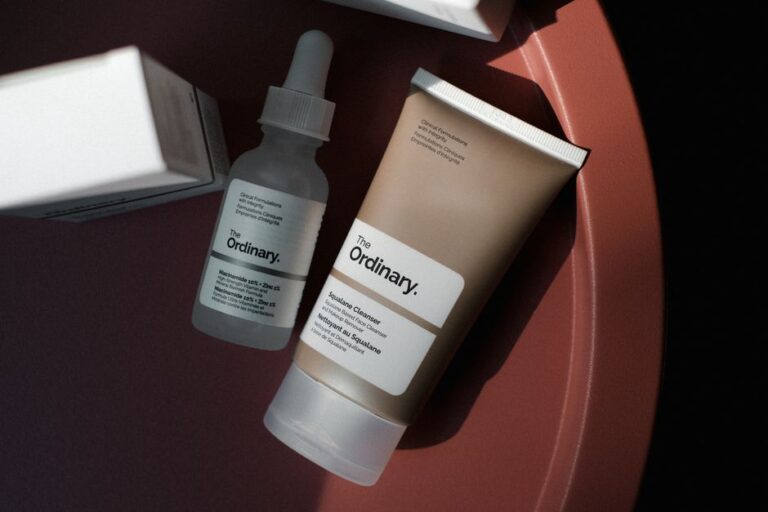
- Budget options like The Ordinary deliver real results; pricier formulas add hydration or stability but work from the same science.
Retinol and vitamin C are two of the most discussed Skincare ingredients among busy mothers trying to tackle aging, dull skin, and the effects of sleep deprivation on their complexion. Both promise brighter, smoother, younger-looking skin, but they work through completely different mechanisms and require different strategies to use safely and effectively. Understanding what each one does—and how they fit into your routine—helps you make intentional choices instead of following trending combinations that might irritate your skin.
What Retinol Does (and How It Works)
Retinol is a form of vitamin A that works by binding to retinoid receptors in your skin cells, triggering cellular turnover and collagen production. This process takes time: retinol typically requires 4 to 12 weeks of consistent use before you see visible results like smoother texture, smaller pores, and reduced fine lines. The retinization period—when your skin adjusts to the ingredient—can involve redness, dryness, and mild peeling, especially in the first two weeks.
Retinol Results by Concern Type
Retinol excels at addressing structural skin changes. It reduces fine lines by stimulating collagen synthesis beneath the epidermis, minimizes pore appearance by encouraging skin renewal, and fades age spots and hyperpigmentation over time. For postpartum skin, retinol can help counteract the sagging and loss of elasticity that sometimes follows pregnancy due to hormonal shifts and reduced collagen production. The same mechanism that builds collagen also thickens skin over time, making it appear firmer and more resilient.
Retinol Products Across Budget Levels
The Ordinary Retinol 0.2% and 0.5% (approximately $5–$7 per bottle) deliver proven results comparable to prescription-strength formulas, though they have no hydrating base and can feel harsh on dry skin. CeraVe Retinol Serum ($18–$22) and La Roche-Posay Retinol B3 Serum ($35–$45) combine retinol with ceramides or niacinamide to cushion irritation. Prescription retinoids like tretinoin (available through dermatologists) work faster and stronger than over-the-counter retinol but require medical supervision and may cause more pronounced side effects during the adjustment phase.
The Adjustment Period for Sensitive or Sleep-Deprived Skin
Starting retinol when you are already exhausted from interrupted sleep and managing postpartum recovery requires patience. Begin with the lowest concentration (0.25% or 0.3%) and use it just twice weekly, gradually increasing frequency as your skin adapts. Many mothers report they could not tolerate retinol when they started immediately at full strength or nightly frequency, but saw excellent results when they approached it incrementally over 8 to 10 weeks. The red, flaky skin of early retinization usually signals that the ingredient is working, not that it is damaging your skin.
What Vitamin C Does (and How It Works)
Vitamin C (typically in the form of L-ascorbic acid or stabilized derivatives) is a water-soluble antioxidant that brightens skin by inhibiting melanin production and neutralizing free radicals that contribute to dull, tired-looking skin. Unlike retinol, vitamin C works relatively fast: most people notice a brighter, more radiant complexion within 1 to 2 weeks of consistent use, which appeals to mothers who want visible results quickly.
Why Vitamin C Works Immediately
Vitamin C provides immediate luminosity because it does not rely on cellular turnover to work—it neutralizes oxidative damage in place, making skin appear fresher right away. It pairs well with sunscreen, amplifying UV protection when used underneath SPF. For postpartum skin, vitamin C addresses the dull, dehydrated appearance that often accompanies hormonal shifts and exhaustion, a problem many mothers find more pressing than fine lines in the early postpartum period.
Stability Problems and Solutions
The main challenge with vitamin C is stability. L-ascorbic acid, the gold standard form, degrades rapidly once exposed to air and light, meaning most serums lose potency within 6 to 12 months of opening. Timeless Vitamin C + E Ferulic ($10–$14) and SkinCeuticals C E Ferulic ($166–$180) are popular choices; the gap in price reflects stabilization technology and ingredient purity. Stabilized derivatives like magnesium ascorbyl phosphate (found in many dermatologist-recommended serums) are less potent but longer-lasting and often gentler on sensitive skin. Store any vitamin C serum in a cool, dark place or refrigerate it to extend shelf life.
Why They’re Different in Your Routine
Retinol and vitamin C target different skin concerns through different pathways: retinol rebuilds skin structure over weeks, while vitamin C addresses surface radiance and oxidative stress immediately. This difference matters when you are choosing what to prioritize. A mother juggling sleep deprivation and postpartum body changes might benefit more from vitamin C in the short term (to look less exhausted) and gradually introduce retinol as her routine stabilizes. Alternatively, a mother concerned about preventing deeper lines and maintaining skin elasticity long-term might prioritize retinol despite the adjustment period.
How to Use Them Together (or Separately)
The common advice to “never mix retinol and vitamin C” oversimplifies the reality. They can coexist in the same routine, but the timing and formulation matter.
Sequential Application: Morning Vitamin C, Night Retinol
Apply vitamin C in the morning (when it complements sunscreen and protects against daily UV and pollution damage) and retinol at night (when there is no sun exposure risk and your skin repairs actively). Cleanse, apply vitamin C serum to damp skin—moisture helps absorption—wait 2 to 3 minutes, then follow with moisturizer and sunscreen. At night, cleanse, wait for skin to dry, apply retinol to dry skin (moisture can dilute it), and top with a hydrating moisturizer or facial oil. This approach gives each ingredient dedicated time to work without interference.
Alternate Nights: A Gentler Approach
If you are sensitive, alternate: vitamin C in the morning, retinol on Monday and Thursday nights, nothing active on Tuesday, Wednesday, Friday, and Saturday nights (just cleanser, moisturizer, sunscreen). This spacing reduces cumulative irritation risk and is a realistic fit for busy mothers who cannot commit to a complex multi-step routine every single night. Some mothers find that alternating every other night allows their skin to adapt more gently to retinol while still gaining benefits from vitamin C three to four mornings per week.
Rare Combo Formulations
A few products combine retinol and vitamin C derivatives in the same formula, designed to avoid degradation and irritation. These exist but are rare and expensive; most dermatologists recommend separate products for better stability and control over concentration. When both ingredients are in one bottle, at least one of them is typically a weaker derivative form to prevent the formula from destabilizing.
Product Recommendations for Busy Moms
For vitamin C: Timeless Vitamin C + E Ferulic ($10–$14) is affordable and effective for a trial. If you like it and want a more stable formula, SkinCeuticals C E Ferulic ($166–$180) is the reference standard that most dermatologists cite. Drunk Elephant C-Firma Serum ($80–$95) appeals to mothers who want a lightweight, fast-absorbing formula that does not feel sticky under makeup or sunscreen.
For retinol: The Ordinary Retinol 0.2% ($5–$7) is ideal for testing your tolerance without financial risk. CeraVe Retinol Serum ($18–$22) adds hydration with ceramides and is gentler for dry, postpartum skin. Neutrogena Retinol Boost Hydrogel Eye Patches ($8–$11) offer retinol in a convenient, premeasured format perfect for moms with no time for a detailed routine.
Common Mistakes and How to Avoid Them
- Starting both ingredients at once. Introduce one, stabilize your routine for 4 to 6 weeks, then add the second. This spacing prevents unnecessary irritation from competing actives.
- Combining retinol with other actives. Do not use retinol with acids (salicylic or glycolic) in the same routine, even on alternate nights, unless your skin is highly tolerant.
- Skipping sunscreen when using retinol. Retinol increases sun sensitivity, and UV exposure will undo benefits and increase hyperpigmentation risk. Use a broad-spectrum SPF 30 or higher every day.
- Applying retinol to damp skin. Hydration dilutes the ingredient and reduces effectiveness. Wait for your skin to dry completely after cleansing before applying retinol.
- Expecting immediate retinol results. Retinol requires 8 to 12 weeks of consistent use for most people to see visible improvements in fine lines and texture. Early redness and dryness do not mean it is not working—it is a sign of cellular turnover.
Frequently Asked Questions
Can I use retinol and vitamin C together?
Yes, but timing matters. Use vitamin C in the morning and retinol at night, or alternate them on different days if your skin is sensitive. Starting both at the same time risks irritation—introduce one, wait 4–6 weeks, then add the other.
How long does it take to see results from retinol?
Retinol requires 4 to 12 weeks of consistent use before visible improvements in fine lines, pore size, and skin texture. The first 2 weeks may involve redness, dryness, and peeling as your skin adjusts—this is normal and usually subsides with patience and consistent moisturizing.
Why does my vitamin C serum stop working?
L-ascorbic acid, the most effective form of vitamin C, degrades rapidly when exposed to air and light. Most serums lose potency within 6 to 12 months of opening. Stabilized derivatives like magnesium ascorbyl phosphate last longer but are less potent—this is the trade-off between stability and strength.
